
Warmer floors in winter
Insulation under the floorboards stops cold air rising from the subfloor, so your feet stay warm and your heating system works less to maintain a comfortable temperature.
Epping
Underfloor insulation fitted under suspended timber floors in Epping stops cold air rising through floorboards and cuts draughts. Expert Insulation Melbourne installs batts or reflective foil between joists with the right R-value for your home.
Share your details and Expert Insulation Melbourne will contact you about Underfloor Insulation in Epping.
Underfloor insulation is installed in the subfloor space beneath suspended timber floors to block cold air and reduce draughts coming up through gaps in the floorboards. In Epping’s older brick and weatherboard homes with stumps and bearers, this space is often exposed and poorly sealed, making floors icy in winter. We fit bulk insulation batts or reflective foil between the floor joists, using the available crawl space to access the area without lifting the floor.
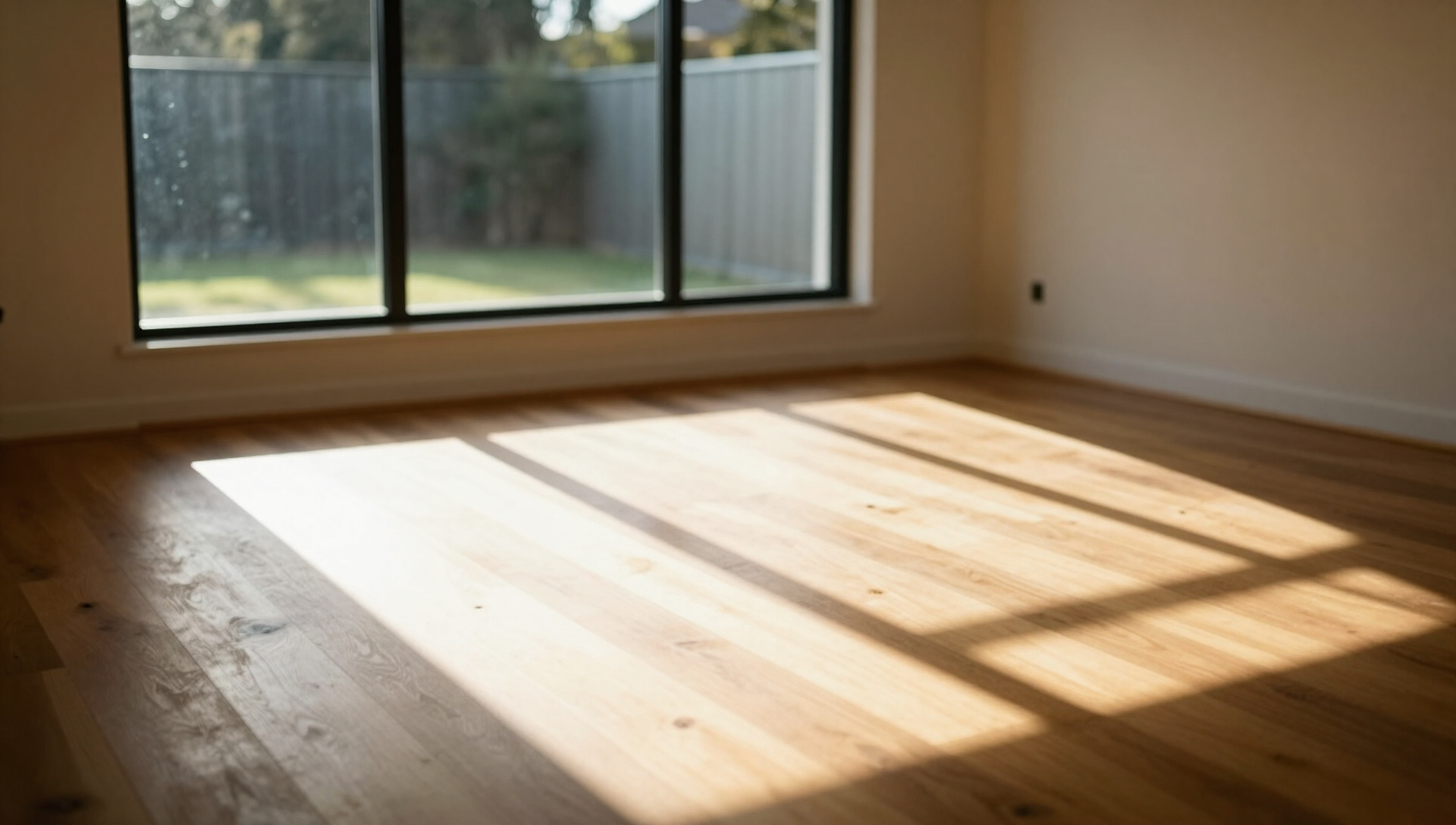
Epping’s mix of interwar and postwar brick homes often sit on stumps with exposed subfloors, leaving floorboards directly above cold outside air. Underfloor insulation addresses this by creating a thermal barrier that keeps the warmth in and the cold out.
Insulation under the floorboards stops cold air rising from the subfloor, so your feet stay warm and your heating system works less to maintain a comfortable temperature.
Older floors have gaps between boards and around skirting. Underfloor insulation blocks the airflow through these gaps, cutting cold draughts at ankle level.
With less cold air entering the home and less heat escaping through the floor, your heater runs shorter cycles and uses less energy to keep the house warm.
A well-insulated subfloor reduces the temperature difference between the ground and the floor, which helps prevent condensation forming on the underside of the floorboards.
Cold floors make rooms feel colder than they are. Insulating under the floor evens out the temperature, so the whole room feels warmer without turning up the thermostat.
By stabilising temperature and humidity in the subfloor, insulation helps reduce the risk of timber warping, cupping or attracting pests that thrive in damp conditions.
We access the subfloor through existing trapdoors or by lifting a section of flooring if needed. The job is usually completed in a day, depending on access and the size of the area.
We start by checking the subfloor for adequate crawl space, clear access between joists and any existing insulation or debris that needs removal. If the space is too tight, we discuss options before proceeding.
We clear dust, old materials and any obstacles from the subfloor. If there are signs of moisture or pest damage, we note these for you to address before or after installation.
We cut bulk insulation batts to fit snugly between the floor joists, or install reflective foil with an air gap if that better suits your home. Batts are held in place by friction and do not require staples or adhesive.
Once the insulation is in place, we check for gaps, ensure no material is sagging and confirm clearances around pipes and cables. We then remove all debris from the subfloor and secure any access points we opened.
Epping’s older brick and weatherboard homes on stumps are prime candidates for underfloor insulation. Many were built without any subfloor insulation, leaving floorboards exposed to cold outside air. With Melbourne’s cold winters and frequent temperature swings, these homes often suffer from cold floors and high heating costs. Underfloor insulation provides a cost-effective way to improve comfort and energy efficiency without major renovations.
Stop cold floors and draughts in Epping homes with underfloor insulation installed under suspended timber floors.
Homeowners in Epping often ask about access, R-values and whether underfloor insulation is worth it for older homes. Here are the answers.
Expert Insulation Melbourne installs underfloor insulation in Epping to address cold floors and draughts in homes with suspended timber flooring. The subfloor space beneath these floors is often uninsulated, allowing cold air to rise through gaps in the floorboards and making living areas feel colder than they are. By fitting bulk insulation batts or reflective foil between the floor joists, we create a thermal barrier that keeps warmth in and cold out.
Epping’s interwar and postwar brick homes commonly sit on stumps and bearers, with exposed subfloors that offer little resistance to cold air. Underfloor insulation is particularly effective in these properties, as it targets the main source of cold floors and draughts without requiring major structural changes. The process involves accessing the subfloor through existing trapdoors or by lifting a section of flooring, then installing insulation to the required R-value.
The typical R-value range for underfloor insulation in Melbourne is R1.5 to R2.5, depending on the product and the specific needs of the home. Higher R-values provide better thermal resistance, which is beneficial in Epping’s climate with its cold winters and hot summers. The cost of underfloor insulation depends on factors such as the size of the area, access to the subfloor, the type of insulation chosen and whether any existing material needs to be removed.
Call Expert Insulation Melbourne on 0399695249 or email info@expertinsulationmelbourne. com. au to discuss underfloor insulation for your Epping home.